
展开

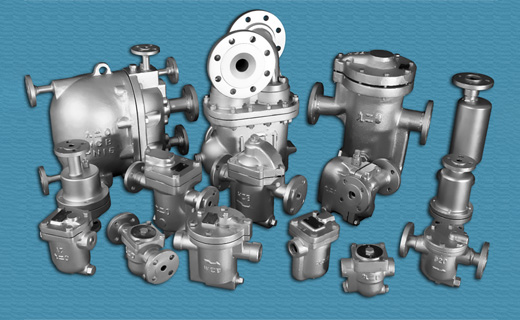
Temperature and pressure reduction device

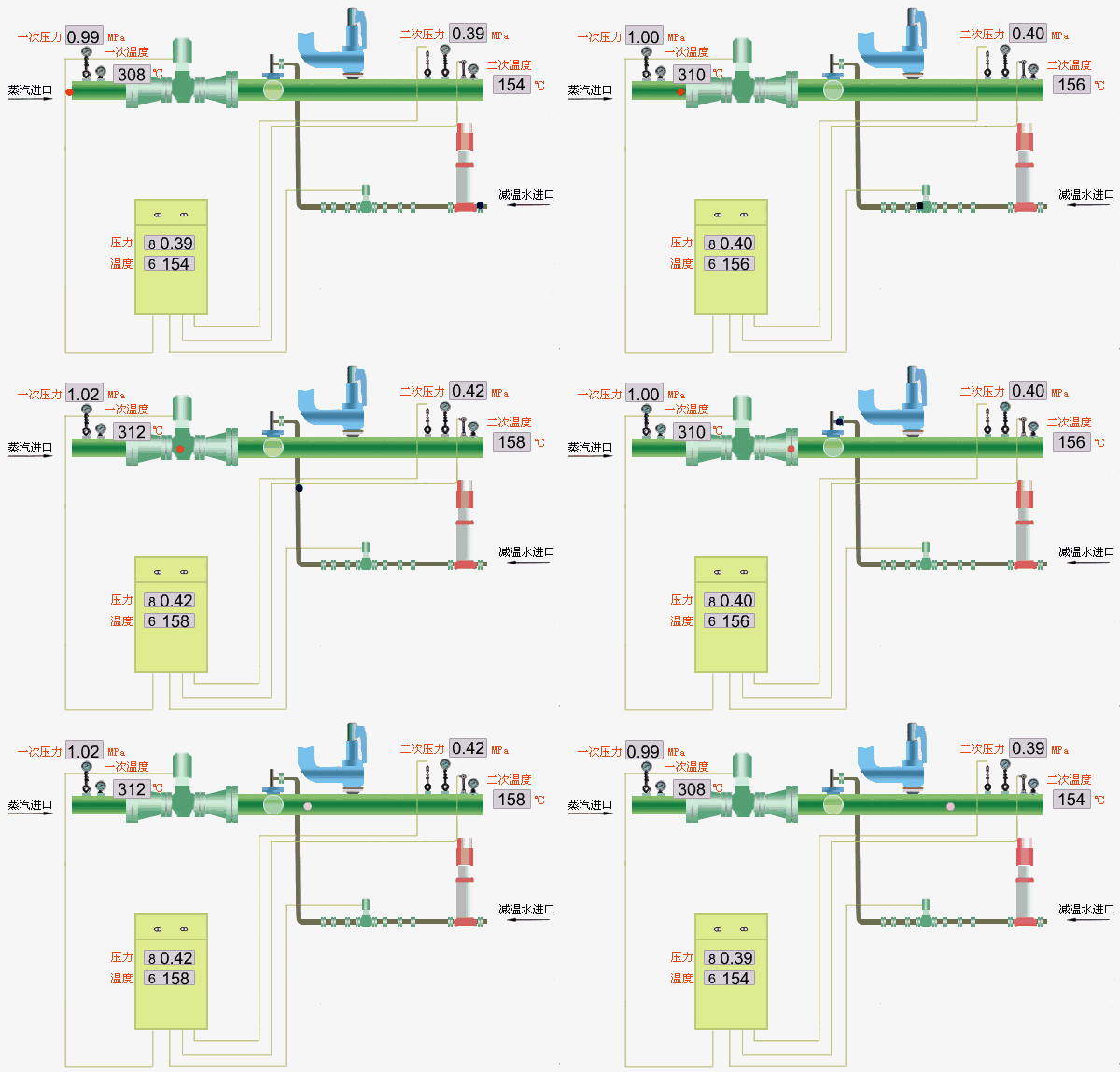
The pressure reducing system uses a double‑seat design for low unbalanced force, wide regulation, and smooth, jam‑free operation. The desuperheating system employs a venturi and flute nozzle with no moving parts for good atomization and easy maintenance. The systems are independent, ideal for low‑flow and saturated steam where venturi atomization ensures effective cooling.

Download Temperature and pressure reduction device
Features

The temperature and pressure reduction device is a steam thermal energy parameter (pressure and temperature) conversion unit widely applied in modern industrial cogeneration, central heating (or steam supply), and thermal engineering across sectors such as light industry, electric power, chemical, and textile. It also functions as an energy‑saving device for waste heat utilization. This unit reduces the supplied steam parameters to the temperature and pressure required by the user, meeting process demands while enabling efficient thermal energy conservation and rational utilization.

减温减压装置.gif


Device Specifications

A. Classification by Inlet Conditions

1.Medium‑Temperature and Medium‑Pressure Unit
Primary steam (inlet): P₁ = 3.9 MPa, t₁ = 450°C
Secondary steam (outlet): P₂ as per user requirements; t₂ = saturation temperature
Flow rate: Q = 2–360 t/h

2.High‑Pressure Unit
Primary steam (inlet): P₁ = 5.4 MPa, t₁ = 485°C
Secondary steam (outlet): P₂ as per user requirements; t₂ = saturation temperature
Flow rate: Q = 20–200 t/h

3.High‑Temperature and High‑Pressure Unit
Primary steam (inlet): P₁ = 10 MPa, t₁ = 540°C
Secondary steam (outlet): P₂ as per user requirements; t₂ = saturation temperature
Flow rate: Q = 30–240 t/h

B. Main Technical Specifications

1.Outlet Flow Range
The outlet steam flow can vary within 30%–100% of rated capacity. Special requirements are subject to agreement between both parties.

2.Rated Outlet Pressure P₂ Deviation

When P₂ < 0.98 MPa: ±0.04 MPa

When P₂ ≤ 3.82 MPa: ±0.06 MPa

When P₂ > 3.82 MPa: ±0.15 MPa

3.Rated Outlet Temperature t₂
Must be at or above saturation temperature. Deviation range: t₂ ± 5°C.

4.Noise Level
Under normal operation, the noise measured 1 m downstream from the pressure reducing valve outlet centerline shall not exceed 85 dB(A). Special requirements can be addressed through consultation.

5.General Features
No energy loss during pressure reduction; increased steam supply capacity through the unit. Simple construction with no rotating parts ensures reliable operation. Easy to operate and maintain, with automatic control capability and notable energy‑saving performance.

Scope of Supply

The supply scope is outlined within the marked boundary and includes:

1.Pressure reducing system: temperature and pressure reduction valve, throttle orifice plate, etc.

2.Desuperheating system: feedwater control valve, throttle valve, etc.

3.Safety system: safety valve, check valve, etc.

4.Piping system: steam piping, transition pipes, desuperheating water piping, etc.

5.Accessories: globe valves, bimetallic thermometers and thermowells, pressure gauges with three‑way valves, pipe bends, fittings, flanges, gaskets, bolts, nuts, and washers.

Ordering Instructions

Please specify the following:

1.Outlet steam flow Q, inlet steam pressure P₁, inlet temperature t₁, outlet steam pressure P₂, and outlet temperature t₂.

2.Desuperheating feedwater pressure Pb and temperature tb.

3.Control mode (panel control, DCS control, or DCS monitoring).

4.Control type (electric or pneumatic).

For pneumatic actuators, additionally provide:

Actuator action: air‑to‑open or air‑to‑close.

Supply air pressure.

Electrical signal type for valve positioner.

Any special requirements requiring a separate technical agreement.


选型速查表
Information Request
* Please fill in your email address truthfully, and the product information will be sent to your mailbox